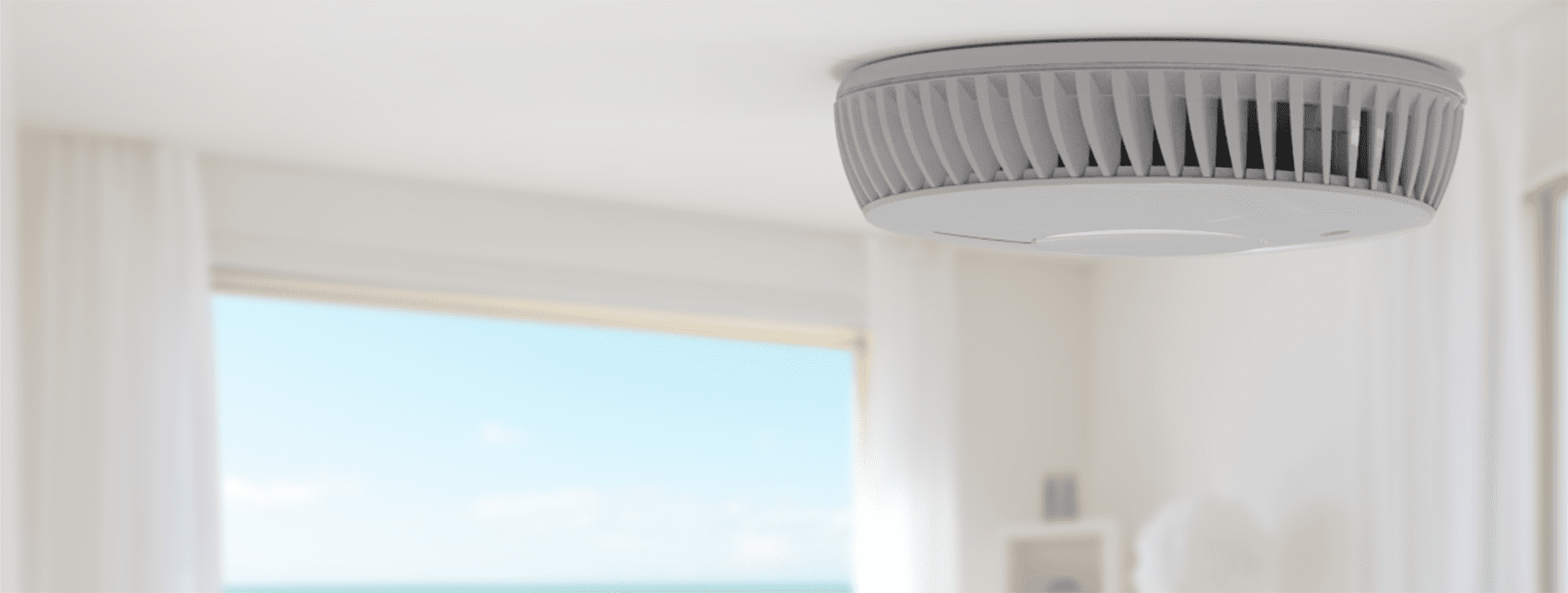
November is NFCC Electrical Fire Safety Month: a timely prompt for every UK household to revisit their electrical safety.
Electrical fires may start quietly, but they spread fast, often triggered by everyday faults like overloaded sockets, damaged appliances, or misused extension leads.
By following these electrical fire safety tips, you can reduce household risks and ensure your smoke and heat alarms are working effectively.
1. Avoid socket overloads and extension lead misuse
Plugging too many devices into one socket or chaining multiple extension leads causes excess current draw. The wiring, plug, or lead can overheat, melt insulation, spark, and ignite nearby flammable materials (curtains, paper, cushions).
Prevention best practices:
Use a single extension lead per socket, and don’t plug another extension into it (“daisy‑chaining”).
Check load ratings: each socket or extension lead has a maximum wattage/ampere rating, ensure you stay well below it.
Spread heavy‑draw appliances (e.g. heaters, kettles) across different circuits.
Use high-quality, certified extension leads (BSI Kitemark or CE‑approved).
2. Inspect wiring, plugs, and sockets regularly
Over time, wiring can degrade; plug pins can loosen; connections can spark under load. These faults often begin behind walls or inside plugs, unseen until it’s too late.
Prevention best practices:
Check plugs, cables, and sockets for scorch marks, discolouration, melting, or burn smells.
Look out for flickering lights or unexplained tripping of breakers.
Replace any device or cable with damaged insulation immediately.
Have a qualified electrician perform a full inspection every 10 years (or more often in older homes or rentals).
3. Don’t run cables under rugs, carpets, or heavy furniture
Hidden cables can overheat unnoticed. Pressure from footfall or furniture can pinch or damage insulation, creating abrasion points or exposing live conductors.
Prevention best practices:
Keep cables fully visible and off the floor where possible.
Use cable conduits or trunking along skirting boards.
Avoid tacking cables under rugs.
Replace any cable that shows signs of flattening, kinking, or damage.
4. Unplug appliances when not in use
Even when switched off, appliances on standby draw small current. Faulty internal components can spark or overheat, especially overnight or while you’re away.
Prevention best practices:
Unplug chargers, kettles, toasters, hair tools, and other small appliances when not in use.
Use switched sockets or spur units that physically cut power at night.
5. Use high-power appliances smartly and safely
Appliances like washing machines, dryers, and immersion heaters generate heat – often in humid or damp areas – and if filters, vents, or internal wiring are faulty, they may ignite.
Prevention best practices:
Never overload appliances or push their usage beyond manufacturer’s guidelines.
Clean lint filters, vents, and ducts regularly to prevent heat buildup.
Leave space around appliances for ventilation.
Run these appliances only when someone is at home and awake, rather than overnight or when away.
6. Monitor and replace older or faulty appliances
Ageing appliances may develop worn internal wiring, degraded insulation, or resistive faults. Faulty devices are a common cause of domestic fires in the UK.
Prevention best practices:
Watch for signs: buzzing, overheating, smell of burning, irregular functioning.
Retire appliances beyond their serviceable life.
Register appliances with manufacturers to receive recall alerts.
In the UK, only 10–20% of electrical product recalls successfully reach consumers – many appliances remain unregistered, making mass recall communication nearly impossible. That leaves millions of homes exposed unknowingly. Make sure to register your appliances here.
7. Use correct bulbs, fuses, and plugs
Using over‑wattage bulbs or incorrect fuses causes overheating in fixtures or surge of current in cables. Poor or DIY plug repairs may bypass safety features.
Prevention best practices:
Always use the wattage/amp rating specified by manufacturers.
When replacing fuses, choose the correct amperage.
Avoid modifying plugs and always use certified replacements if needed.
Avoid mixing old and new bulbs or mismatched types.
8. Ensure smoke and heat alarms are installed, tested, and interlinked
No matter how carefully you prevent hazards, a fire can start. Without working detection, it can spread before you or your family can react.
Prevention best practices:
Install optical smoke alarms, like the FA6620, in living rooms, hallways, and bedrooms.
Use heat alarms, like the FA6720, in kitchens or areas prone to steam/fumes as they respond to rapid temperature rise rather than smoke.
Think about installing FireAngel’s Pro Connected range, which are wireless interlinked alarms, so that if one device detects danger, all alarms in the network sound.
Test alarms monthly using their test button. You can find out how to test your smoke, heat, and CO alarms here.
Replace alarms at end-of-life (typically 10 years or as per manufacturer). You can find our full range of fire safety products here.
9. Protect against power surges and spikes
Voltage spikes (from storms, grid switching, lightning) can damage device electronics or cause internal arcing, which may ignite faulty components.
Prevention best practices:
Use surge-protected extension leads or surge suppressor devices.
Unplug delicate electronics (TVs, computers) during thunderstorms or if you leave home for a long period.
Avoid connecting devices to extension leads that already have surge suppression gadgets (to prevent overloading the suppressor).
10. Plan escape routes and practise them
Fires move fast. If your escape routes are blocked or your family are unfamiliar, precious seconds are lost.
Prevention best practices:
Design at least two escape paths from every room.
Keep pathways clear of obstacles (furniture, cables, clutter).
Set a meeting point outside the home.
Run monthly fire drills, including at night with lights off.
Ensure all alarms (smoke, heat) in your home are functioning so you get early warning.
Most electrical fires begin quietly, but they don’t stay quiet for long. By following these detailed, practical electrical fire safety tips UK, you reduce risks, detect problems early, and significantly improve safety for your household.
FireAngel’s range of smoke, heat, and connected alarms are designed to give trustworthy warnings and help prevent disaster. Test monthly, register your products, and stay vigilant, because peace of mind depends on being prepared.
For any additional information, get in touch with our Customer Service Team who can provide advice on installation, product selection, and technical support.
Introducing our Ultra Slim Smoke and Carbon Monoxide Alarms
Can a carbon monoxide detector detect gas?
Staying warm in Autumn without the risk of fire and CO dangers
How many carbon monoxide alarms do I need?
New home checklist: Why a Carbon Monoxide alarm is essential
Got a burning question? Get in touch
If you can't find what your looking for on our blogs and looking for further guidance and advice, our UK-based Customer Support team are on hand all week from 8:30am until 5:30pm, they can answer any further queries you may have on our products, solutions or services.